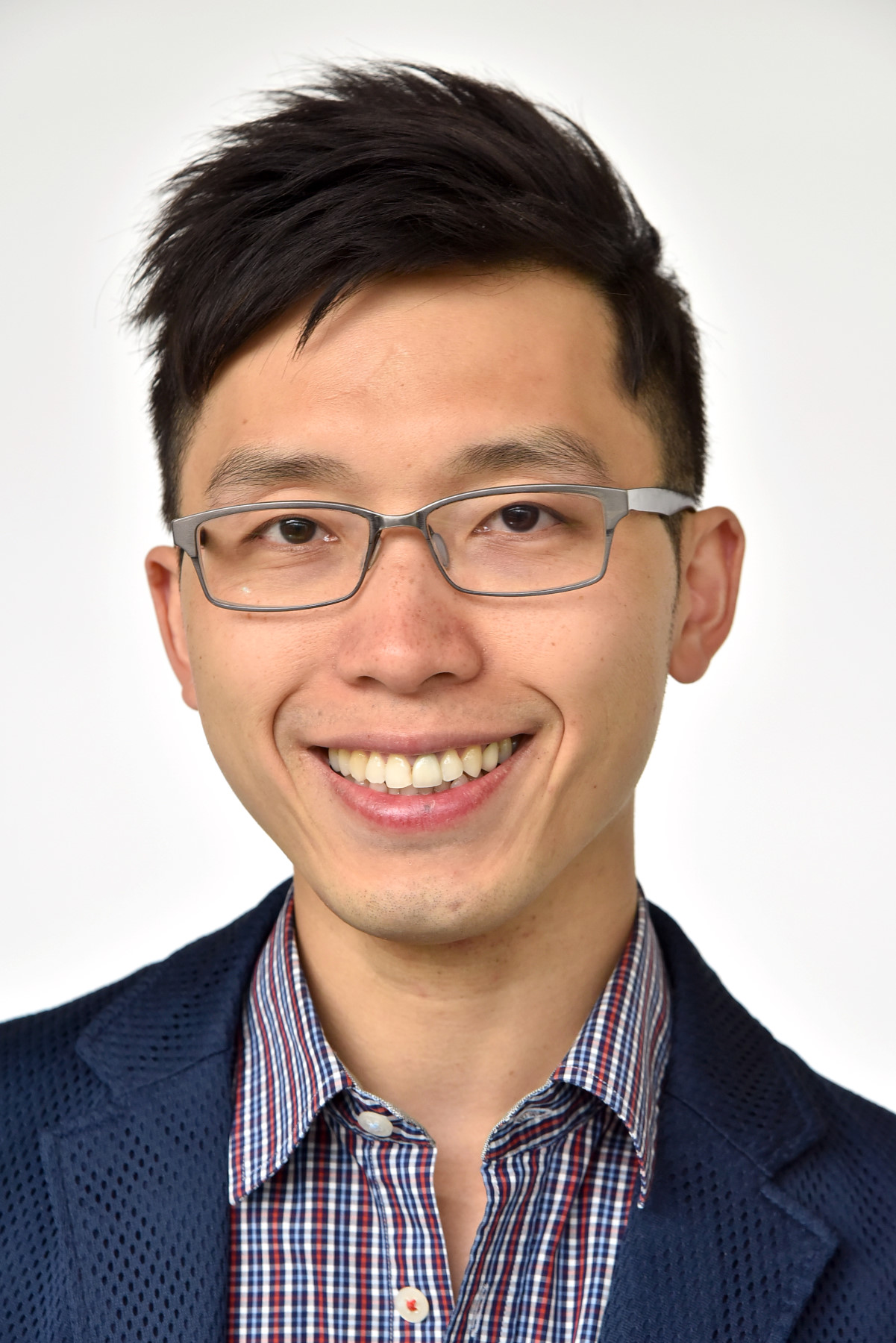
This month’s we sat down with Principal Data Scientist, Ray You, for our Day in the Life chat. Ray tells us the questions he asks to understand the business context when building measurement solutions and gives budding data scientists advice on how to get started in data science.

What led you to a career in data science?

The story goes back to my time at university in Canada where I studied marketing. After I graduated, I tried to get a creative marketing job in Canada, but it proved quite difficult. Roles there require excellent English and a strong understanding of local culture. Having only recently moved to Canada from China, these weren’t skills I possessed yet. Instead, as I have always been a scientific and logical person, I took a curveball and went into marketing analytics.

Eventually, I moved to London in digital analytics where I got more in depth with digital advertising. Then I became heavily involved in A/B testing as a product analyst. Everything shifted when I moved to a role at Unicef. It was here that I moved into data science as I looked to face marketing challenges with modelling work. I’ve brought all the knowledge into my role as principal data scientist at MI Media!

What does a typical day look like for you?

There are three core elements to my role. Firstly, I spend a lot of my time talking to people. Taking the time to get the basic questions right and understand the business context and expectations. The more time I’ve been in analyst roles, the more I’ve found that understanding people and their context is vital to success. Once I have all the information I need, I will come up with a custom-built measurement strategy.

Next, there’s the model-building part of my role. This is the most technical area, considering statistics, coding and pipelines. Finally, and perhaps most crucially, is sharing the results. The people I deal with have a varied understanding of statistics, so I need to explain the rationale in plain English. I need to make sure they understand why I did what I did, why it makes sense and what in means for the business.

What is your proudest moment at MI?

Early on in my role here, I was involved in three new business pitches. Every business was brand new to me and each had their own unique challenges. I needed to come up with workable and future-proofed measurement solutions with a clear roadmap that would lead them to success. Having previously worked in-house, the relatively short turnarounds of pitches pushed me to come up with the right solutions quickly. It’s been a new perspective for me with different objectives which I’ve really enjoyed.

What advice would you give to someone looking to become a principal data scientist?

If I was speaking to someone who’s never worked in analytics or data science before, I would suggest they start with an analytical mindset. Try to make decisions using data and always challenge themselves by asking: What is the evidence? How do I know this? Am I making decisions based on experience or concrete data? That’s the first step.

When someone becomes an analyst, it’s then important to sharpen their understanding of data engineering, data pipelines and statistics. Eventually they can move towards modelling. Regression analysis, MMM, attribution and testing are all topics required by marketing scientists.

In 2026, no one can talk about something without mentioning AI. When it comes to AI, reasoning about when and why to use a model is more important than the coding skills themselves. Yes, AI can generate codes, but people must have the ability to judge where things make sense and where they don’t

Finally, business context matters. I prefer to see myself as a consultant, not a data analyst. When I’m considering business challenges, I define them as questions the business needs to answer and from there move on to what the statistical question is. To do this I need to understand the context. Who are the decision makers and stakeholders? What are the criteria of success? What are the constraints? In any business, a real solution is a balance of how accurate the result is with the cost and time it takes to get to that result.

What mistake have you learnt the most from?

Early in my career I was too geeky and focused on technical solutions rather than business actions. I was part of a segmentation project that failed because the outcome constraint was not defined well enough when I started the project. The results were unusable. This experience taught me that, in any project I’m building, I need to understand what the business is trying to achieve. It goes back to my earlier comment about being a consultant. I need to know what the business can and can’t do on the back of any results I give them. Without this, I could easily make a fancy technical solution that, from a business point of view, adds very little value.

Who’s your role model and why?

I take strengths from a variety of different people. From the power of honesty and transparency from previous managers to people speaking in the industry about using unconventional ways to extract new insights. I have also learnt from my senior colleagues at Unicef the importance of not assuming that you know everything, even if you’re in a senior role. They understood that the colleagues in local markets had the best local expertise and trusted them to deliver. Finally, my peers in the analytics field such as the data director at Huel, Bhav, have given me examples of the right blend of an analytical mindset with great storytelling.

Talk To Us

Want to find out how you can accelerate growth? Drop us a line and our team will be in touch.

triangle
triangle