A few years ago, the conversation about influencers, or creators, was all about likes, comments and follower counts. Today advertisers are much more focused on understanding the impact creators can have on real business outcomes. We spoke with Dafs Rhys Woodward, Founder of Creator by Infinitum, who told us why the old perceptions of influencer marketing being a bit of a Wild West are outdated and how media agencies can get the most out of creators for their clients.

What is the one thing you wish everyone knew about creators?

I wish more people appreciated just how professional you need to be to build and maintain an audience today.

Whether you’re producing long form YouTube content or short form social videos, standing out has never been harder. Audiences are bombarded with content every minute of every day, platforms constantly change their algorithms, and attention is one of the most competitive commodities in the world.

The creators who succeed are not just creative. They are strategists, producers, editors, presenters, community managers and business owners all rolled into one. They have to consistently create content that people actively choose to spend time with.

That is why I think some of the old perceptions of influencer marketing being a bit of a Wild West are outdated. The best creators are highly professional media businesses, and brands should have confidence in trusting them to create content that genuinely resonates with audiences.


What are the questions you’re most often asked by advertisers?

The question I hear most often is, “How do I know if this is actually working?”

A few years ago, the conversation was all about likes, comments and follower counts. Today advertisers are much more focused on understanding the impact creators can have on real business outcomes.

Can creators drive awareness? Can they increase consideration? Can they influence search behaviour, website visits or sales?

That shift is a really positive sign for the industry. The more influencer marketing is judged against business objectives rather than social metrics, the more seriously it will be treated as a media channel.

Recently the IPA, in partnership with all the major agency HoldCo’s, delivered a groundbreaking econometrics research study that showed that Influencers were the number one channel for long term return on investment with 3.35X returns, above even TV. This level of industry-wide research should give us huge confidence to plan this media channel moving forwards.

How do you think advertising using creators will change over the next three years?

I think we’re witnessing the evolution of creators from content producers into media companies.

We’ve already seen this start to happen. The Sidemen have built an entertainment business that spans multiple channels, products and ventures. The Overlap has expanded beyond a single show and is now acquiring football YouTube channels to build a broader media network. Creators such as Jesse Burgess are moving into mainstream media partnerships while maintaining direct relationships with their audiences.

Over the next three years, I expect this trend to accelerate. The next generation of media conglomerates won’t be built by traditional broadcasters or publishers. Many will be built by creators who have mastered audience attention and community building.

I also think we’ll see a continued shift towards longer-form content, particularly on platforms like YouTube and podcasts, as audiences seek deeper engagement. However, the real magic will come from how that content is distributed. As Ed Elson and Scott Galloway have discussed, clips and cut downs are increasingly becoming the discovery engine for long-form content. Short-form content will drive awareness and reach, while long-form content will build deeper audience relationships.

For advertisers, that creates a huge opportunity. The most successful brands will be those that partner with creator-led media businesses and think beyond individual posts to become part of entire content ecosystems.

How do you think advertising using creators will change over the next three years?

I think we’re witnessing the evolution of creators from content producers into media companies.

We’ve already seen this start to happen. The Sidemen have built an entertainment business that spans multiple channels, products and ventures. The Overlap has expanded beyond a single show and is now acquiring football YouTube channels to build a broader media network. Creators such as Jesse Burgess are moving into mainstream media partnerships while maintaining direct relationships with their audiences.

Over the next three years, I expect this trend to accelerate. The next generation of media conglomerates won’t be built by traditional broadcasters or publishers. Many will be built by creators who have mastered audience attention and community building.

I also think we’ll see a continued shift towards longer-form content, particularly on platforms like YouTube and podcasts, as audiences seek deeper engagement. However, the real magic will come from how that content is distributed. As Ed Elson and Scott Galloway have discussed, clips and cut downs are increasingly becoming the discovery engine for long-form content. Short-form content will drive awareness and reach, while long-form content will build deeper audience relationships.

For advertisers, that creates a huge opportunity. The most successful brands will be those that partner with creator-led media businesses and think beyond individual posts to become part of entire content ecosystems.

What’s the best use of creators you’ve seen in the past three months?

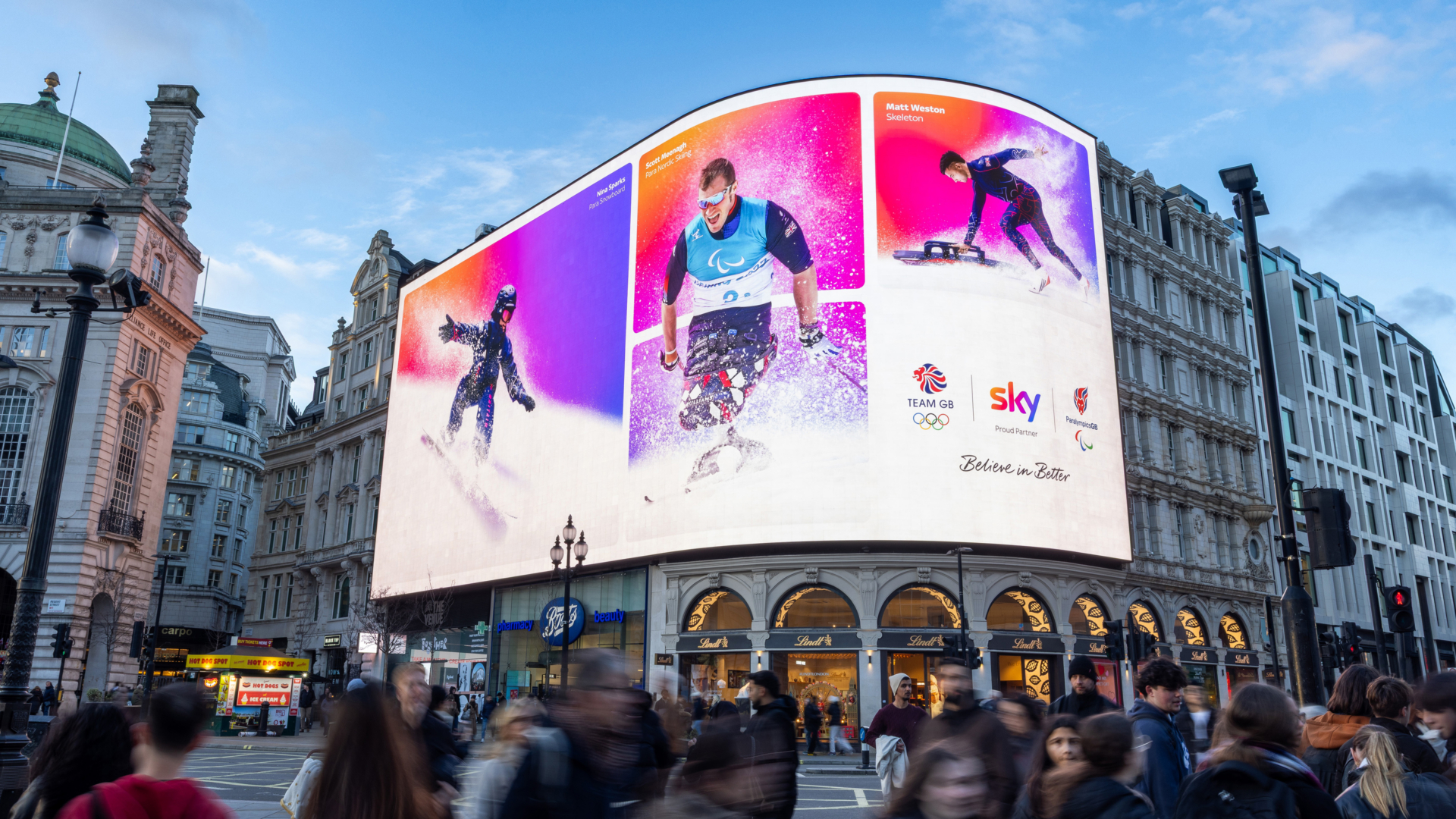
I’m slightly biased because we worked on it, but a recent campaign for Sky promoting its partnership with the Winter Olympics was a great example of how creators can connect traditional and digital media.

We placed Winter Olympics creators at iconic OOH locations including Piccadilly Circus, the Liverpool Media Screen and Westfield, supported by a small VFX production team. By capturing creator content around the installations and enhancing it with innovative visual effects, we created social assets that felt native to social platforms while showcasing the scale and impact of the OOH activity.

What made it particularly effective was how it blurred the lines between physical and digital media. The OOH generated attention in the real world, while creators amplified the experience online through content designed for social audiences.

The result was highly engaging creative that delivered strong performance and demonstrated how creator content can help make traditional media work harder.

Click here to sign up to be alerted when the next in our Media Innovation series is published. Head to our news page to read previous posts in this series about AV,  Gaming and AdTech.

Talk To Us

Want to find out how you can accelerate growth? Drop us a line and our team will be in touch.

triangle
triangle